
About concrete sealing
Sealing, done the right way.
Sealing is protection. Most natural stone is porous — an impregnating (penetrating) sealer soaks into the surface and lines the pores so water, oil and stains bead up and sit on top instead of soaking in. It does not change the look or add a film; it buys you time to wipe a spill before it becomes a stain, and makes daily cleaning easier.
Concrete dusts because its surface is soft and porous until it is mechanically ground and chemically densified — a topical coating alone just delays the problem. The finish achievable depends on the aggregate exposed during grinding (a "cream", salt-and-pepper or full-aggregate cut) and how many grit steps the slab is taken through.
On concrete floor: On concrete, "sealing" is the penetrating densifier and, where extra chemical or stain resistance is needed, a topical guard applied over the polished surface — chosen to suit industrial, retail or residential use.
The process
How concrete floor sealing works.
Step 01
Test & clean
We test how absorbent the surface is and deep-clean it — a sealer applied over dirt seals the dirt in.
Step 02
Dry
The floor is left to dry fully; residual moisture stops the sealer penetrating.
Step 03
Apply
The right sealer for the stone and its use is applied evenly, worked in, and the excess wiped before it hazes.
Step 04
Cure & check
After curing we water-test the surface to confirm it is repelling, and give you the re-seal interval.
Why it's worth doing
The result you get.
- ✓Spills bead up instead of soaking in — far fewer stains
- ✓Easier daily cleaning; less scrubbing
- ✓Protects a fresh polish so it lasts longer
- ✓Breathable options for outdoor and damp areas that will not peel
- ✓Slows hard-water filming and efflorescence
When you need it
Is this the right service?
Seal after any polishing or restoration, when water no longer beads on the surface, before a stone floor goes into a kitchen or bathroom, or on new stone before it is used for the first time.
More for concrete floor
Other concrete floor services.
The FloorCarePro standard
What every job includes.
Free Site Assessment
We assess the floor and identify the material before quoting, so you get the right service — not the most expensive one.
Professional-Grade Products
Diamond abrasives, 3M compounds and the correct sealer or coating for your surface — applied by trained specialists.
Fixed Written Quote
A clear price in writing after the site visit. No per-day surprises, no hidden extras.
Service Warranty
Our polishing, sealing and coating work is warranted, because we stand behind the result.
Frequently asked questions
Common questions, answered.
How often does stone need re-sealing?
Every 1–3 years indoors depending on traffic and cleaning, and every 2–3 years outdoors. The simplest test: drop water on the floor — if it darkens the stone instead of beading, it is time.
My concrete floor has persistent concrete dust that returns no matter how often it is swept — can sealing fix that?
Yes — that is exactly what sealing addresses on concrete floor. We confirm the cause on the free site visit and quote the fix in writing. Seal after any polishing or restoration, when water no longer beads on the surface, before a stone floor goes into a kitchen or bathroom, or on new stone before it is used for the first time.
How do I keep my concrete floor looking good afterwards?
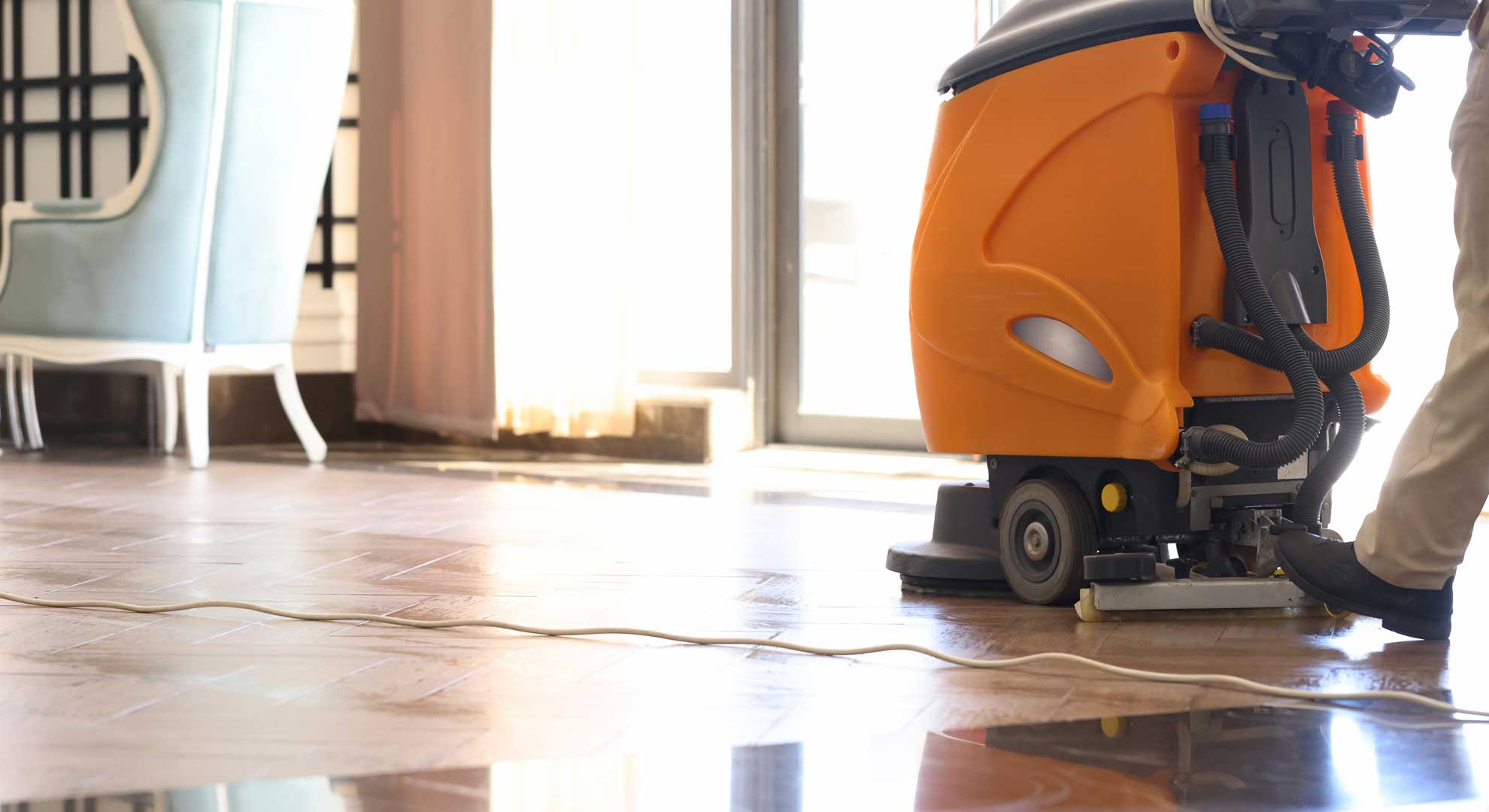
The essentials: dust-mop or auto-scrub regularly — grit is what wears the polish down; clean spills of oil and chemicals promptly, even on a sealed floor. We leave you a written care plan for the specific finish.

Concrete Sealing